








BPC-157 For Tissue Healing and Repair of Injury
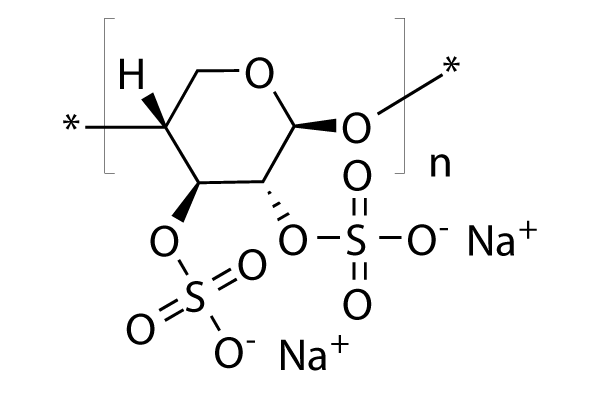
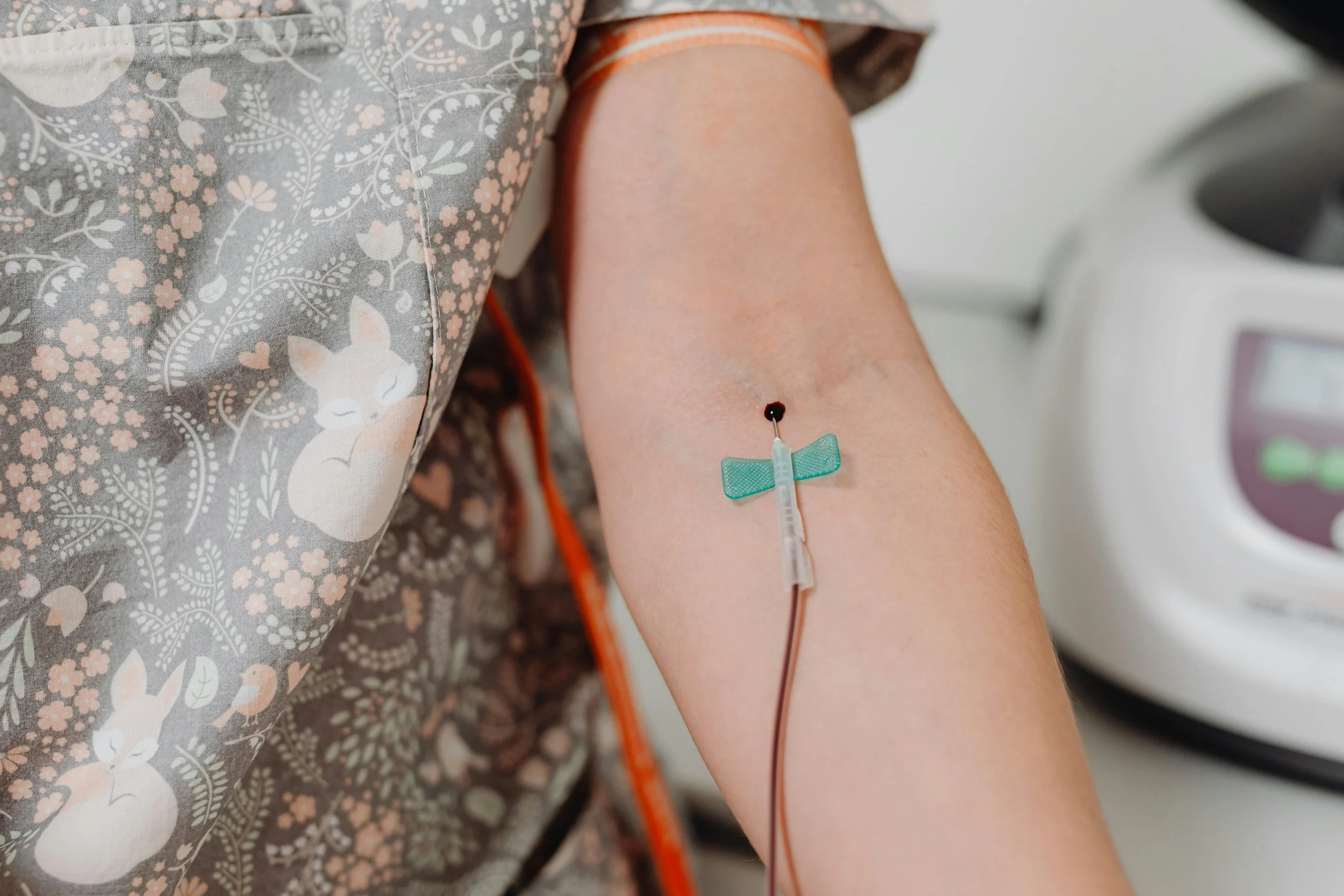
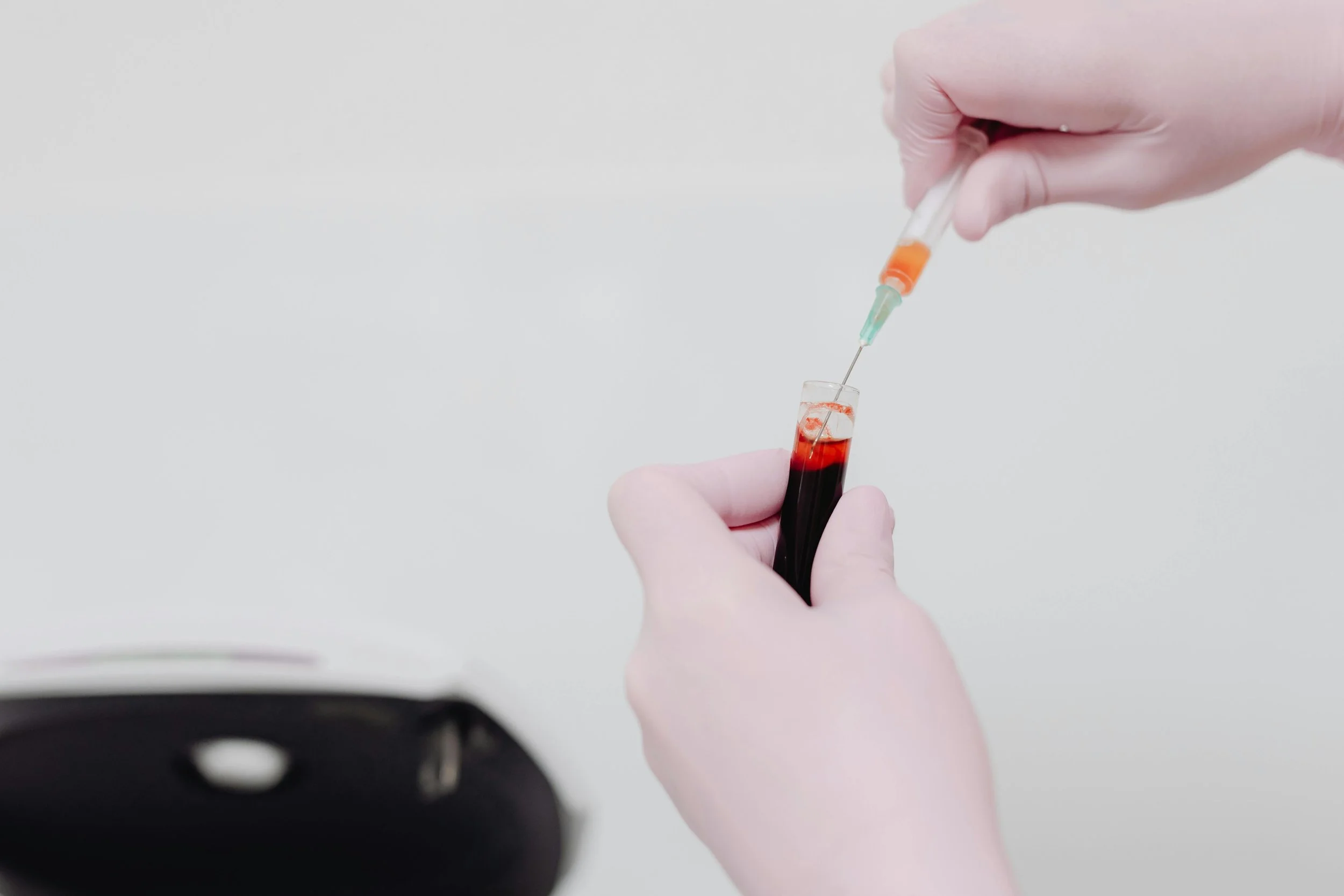
Peptide therapy is an innovative treatment option that uses synthetic peptides–short chains of amino acids that instruct certain cells to act a certain way–to mimic those naturally produced by the body and improve the function of a variety of bodily systems. Body Protecting Compound (BPC)-157 is one of these peptides, showing promise in stimulating the cellular processes involved in tissue repair and healing, bone healing, nerve function, and injury recovery.

How Stem Cell Therapy Rewrites a Christmas Tale
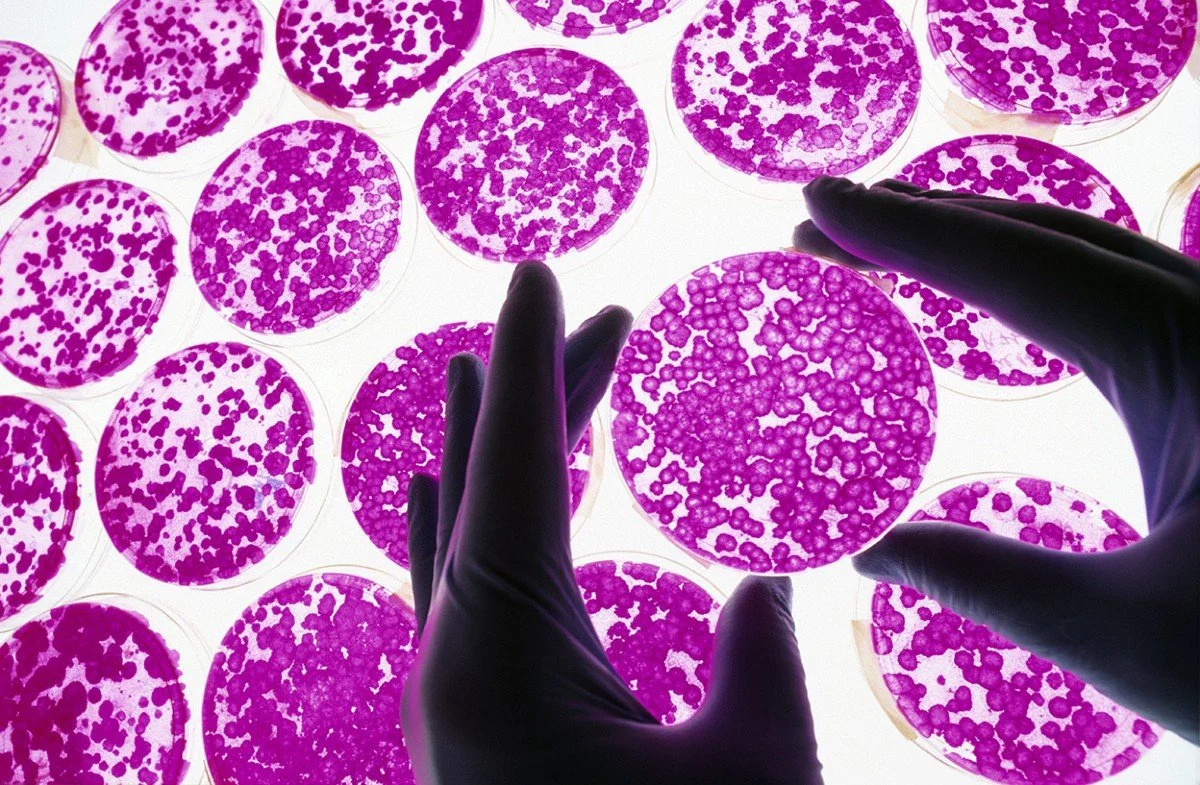
Stem cell therapy is an advanced medical treatment that harnesses the regenerative power of stem cells to repair, replace, or restore damaged tissues and cells within the body. Stem cells are unique because they can differentiate into specialized cell types, such as muscle, nerve, or blood cells, and have the capacity to self-renew. This groundbreaking therapy has shown remarkable potential in treating a wide range of conditions, from degenerative diseases to severe injuries and even life-threatening illnesses like leukemia, where stem cell transplants can replace diseased bone marrow, effectively saving lives. By promoting natural healing and reducing the need for invasive procedures, stem cell therapy represents a transformative approach in medicine, offering hope to patients with conditions once deemed untreatable.
Who is a Good Candidate for Regenerative Medicine?
Regenerative medicine can be an effective, nonsurgical treatment option for a variety of musculoskeletal conditions that cause pain, decrease mobility, and generally prevent you from enjoying an active lifestyle. The goal of regenerative medicine is to not only successfully alleviate or even eliminate existing symptoms, but to regenerate, rebuild, and restore damaged cartilage, tendons, and ligaments at the cellular level.
A Revolution in Wellness: Advancements in Regenerative Medicine
Over the last decade, the acceptance and implementation of regenerative medicine have evolved significantly, driven by advancements in research, technology, and clinical applications. In the past, regenerative medicine has too often been considered a “last resort” for people, but as more patients pursue more conservative methods before medications or surgery, they are experiencing first-hand the amazing results that can happen when the body is allowed to heal and regenerate damaged tissue on its own.
The Safety and Effectiveness of Regenerative Medicine Therapy
Regenerative injection therapy (RIT) is a medical treatment approach that focuses on harnessing the body’s natural healing abilities to promote tissue regeneration and repair. This therapy has gained significant attention in recent years due to its potential for treating various musculoskeletal conditions, such as tendonitis, ligament injuries, and osteoarthritis.
7 Reasons Why Regenerative Medicine is Better for Chronic Pain
Regenerative medicine has emerged as a promising solution for individuals suffering from chronic pain. Chronic pain, which is often caused by conditions such as arthritis, fibromyalgia, or nerve damage, can significantly impact a person’s quality of life. Traditional treatments for chronic pain, such as medication or surgery, may provide temporary relief but often fail to address the underlying cause of the pain.
The Revolutionary Role of Stem Cells in Pain Management
Pain management is a critical aspect of healthcare, aiming to alleviate suffering and improve patients’ quality of life. In recent years, stem cell therapy has emerged as a groundbreaking approach in pain management. Stem cells possess unique regenerative properties that enable them to repair damaged tissues and modulate the body’s inflammatory response. Let’s take a look at how stem cells are revolutionizing pain management by providing effective and long-lasting relief for various chronic pain conditions.
The Benefits of Regenerative Medicine in Helping Common Golf Injuries
Regenerative medicine has emerged as a groundbreaking field that offers promising solutions for helping various injuries and conditions. In the realm of sports, where injuries are common, regenerative medicine has shown particular potential in the care of golf-related injuries. Golfers often suffer from repetitive stress injuries, tendonitis, ligament strains, and joint damage, among other conditions, all of which can benefit tremendously from regenerative medicine.
The Impact of Wharton’s Jelly on Knee Pain
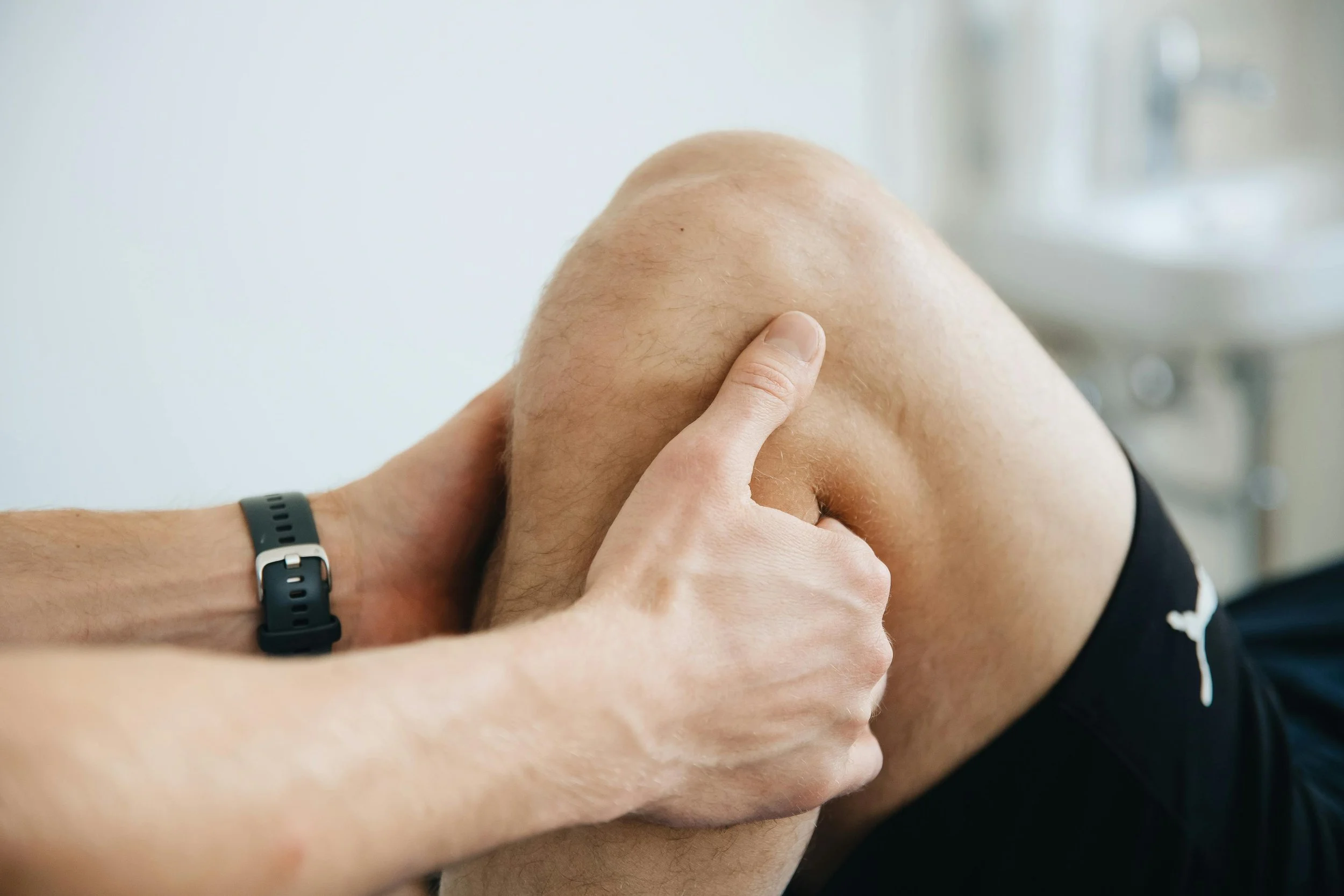
Knee pain, a common ailment, can stem from a variety of factors such as age-related wear and tear, sports injuries, work-related injuries, or common medical conditions like arthritis. Recently, Wharton’s jelly injections have emerged as a promising option. This innovative therapy involves injecting Wharton’s jelly, a substance derived from the umbilical cord, into the knee joint and supporting tendons and ligaments.