
Red Light Photobiomodulation Therapy
Photobiomodulation Therapy in Scottsdale & Prescott, Arizona
Preparing the Biology of Healing Before and After Regenerative Joint Procedures
At RegeneZone™, we do not view a regenerative joint injection as an isolated procedure. The injection may take less than an hour, but the biological process of tissue repair continues for weeks and months. For that reason, Dr. John A. Robinson, NMD, uses photobiomodulation therapy before and after joint procedures to help prepare the tissue, support cellular energy production, regulate inflammation, and create a more favorable environment for healing.
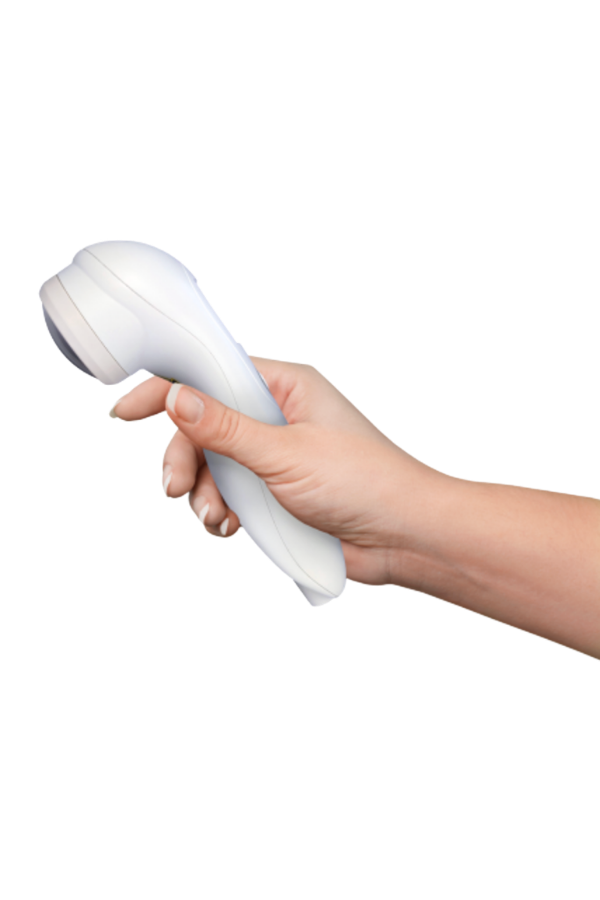
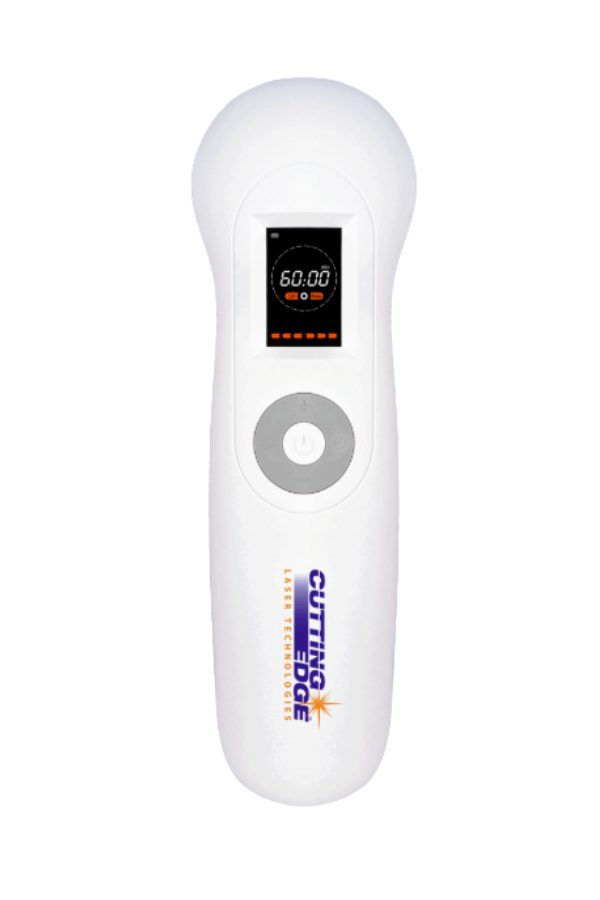
Rather than limiting photobiomodulation to occasional treatments inside the clinic, Dr. Robinson provides patients with a cutting-edge handheld home laser and a structured treatment protocol. Patients typically begin using the device at home four weeks before an ultrasound-guided joint injection with HCT/P products and continue treatment for four weeks afterward. Focused acoustic wave therapy is then incorporated after the injection to further support circulation, mechanotransduction, angiogenesis, and tissue remodeling.
This integrated approach is part of the RegeneZone Method™: prepare the biology before the procedure, perform the treatment with ultrasound-guided precision, and continue supporting the regenerative process afterward.
What is Photobiomodulation?
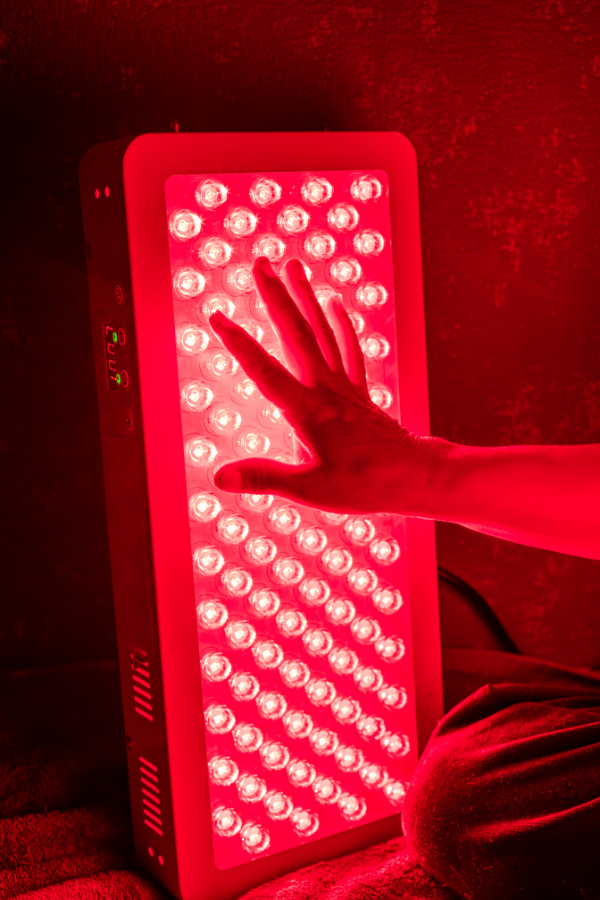
Photobiomodulation, commonly abbreviated as PBM, is the therapeutic application of red and near-infrared light to influence cellular activity. It was formerly called low-level laser therapy, or LLLT, although the term photobiomodulation more accurately describes its biological effects.
Unlike surgical lasers, photobiomodulation does not cut, burn, or intentionally heat the tissue. It delivers specific wavelengths of light at carefully controlled doses. Light energy is absorbed by cellular chromophores, including components of the mitochondrial respiratory chain, where it can influence ATP production, oxidative signaling, calcium activity, inflammatory pathways, and cellular communication.
In simple terms, photobiomodulation provides light-based signals that may help cells produce energy and respond more effectively during the healing process.
Why Cellular Energy Matters for Joint Healing
Tissue repair is an energy-intensive process. Chondrocytes, fibroblasts, tenocytes, muscle cells, vascular cells, and local progenitor cells all require energy to synthesize proteins, remodel extracellular matrix, regulate inflammation, and communicate with surrounding tissues.
Mitochondria produce ATP, the energy currency used to power these activities. When a joint has been affected by chronic inflammation, poor circulation, oxidative stress, previous injury, or degenerative change, its cellular environment may be less capable of supporting an effective healing response.
-
Mitochondrial ATP production
Cellular metabolism
Cell viability and proliferation
Migration of reparative cells
Angiogenesis and microcirculation
Oxidative stress
Inflammatory signaling
Extracellular-vesicle secretion
Collagen and extracellular-matrix remodeling
Bone, muscle, tendon, nerve, and wound repair
The position paper reviewed 204 studies examining PBM in conjunction with regenerative cells and reported positive findings in most of the studies, while also emphasizing that clinical protocols remain variable and that more well-designed human trials are needed.
Why We Use Red and Near-Infrared Light
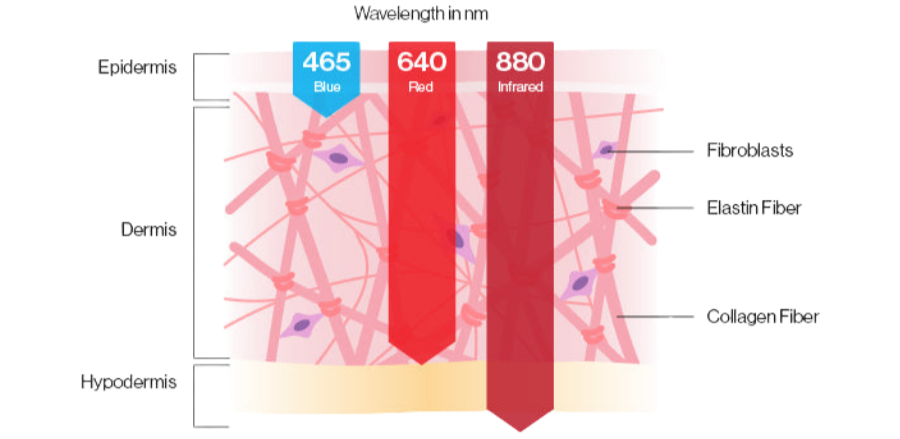
The majority of successful protocols reviewed in the WALT position paper used wavelengths within two primary ranges.
Red Light: Approximately 630–660 Nanometers
Red wavelengths are commonly studied for more superficial tissues and cellular effects involving:
Skin and wound healing
Fibroblast activity
Collagen production
Cellular proliferation
Superficial tendons and soft tissues
Near-Infrared Light: Approximately 800–890 Nanometers
Near-infrared wavelengths penetrate more deeply and have been studied in applications involving:
Joints
Tendons and ligaments
Skeletal muscle
Bone
Peripheral nerves
Deeper soft tissues
The paper identified wavelengths of approximately 630–660 nm and 800–890 nm as the ranges most commonly used in PBM research involving regenerative cells. It also proposed approximately 0.5–2 J/cm² as a potentially useful range for future studies focused specifically on cellular proliferation, while making clear that the appropriate dose depends on the tissue, treatment goal, device, power density, and delivery technique.
More light is not automatically better. Photobiomodulation follows a biphasic dose response, meaning an appropriate dose may stimulate cellular activity while an excessive or poorly selected dose may produce less benefit or potentially inhibit the desired response. For this reason, patients should follow the prescribed device-specific treatment protocol rather than assuming that longer treatment times or greater frequency will produce better results.
The Mechanisms That Matter Most
-
Red and near-infrared light may influence mitochondrial chromophores, including cytochrome c oxidase. This can affect electron transport, nitric-oxide availability, membrane potential, and ATP production.
Greater energy availability may help support the metabolic demands of tissue repair.
-
Inflammation is necessary during healing, but excessive or persistent inflammation can interfere with tissue repair. PBM has been studied for its effects on oxidative stress, NF-κB signaling, cytokine expression, and inflammatory-cell activity.
The goal is not to eliminate inflammation. It is to encourage a more organized and productive inflammatory response.
-
Healing tissues require oxygen, nutrients, signaling molecules, and an effective blood supply. PBM has been associated in preclinical research with changes in vascular endothelial growth factor and other angiogenic pathways.
-
Many regenerative effects occur through paracrine communication: cells releasing growth factors, cytokines, extracellular vesicles, and other signaling molecules that influence nearby tissues.
One study included in the WALT review reported a 6.25-fold increase in extracellular-vesicle secretion after 830 nm PBM exposure of human adipose-derived cells. This was an in-vitro finding and should not be interpreted as proof that the same magnitude of effect occurs in a treated human joint, but it provides an important mechanistic basis for continued research.
-
The scientific literature reviewed applications involving bone, cartilage, tendon, muscle, nerve, and wound repair. Results varied by wavelength, fluence, cell type, tissue, scaffold, and treatment schedule, and the authors could not establish one universal protocol for all tissues.
This variability is why Dr. Robinson uses PBM as one component of an individualized regenerative plan rather than as a stand-alone cure.
The RegeneZone™ Home Photobiomodulation Protocol
A major difference between our approach and conventional in-office laser therapy is continuity. Regeneration does not occur only during a clinic appointment. It unfolds every day as tissues move through inflammation, proliferation, repair, and remodeling.
To support that process consistently, Dr. Robinson has patients use a handheld photobiomodulation laser at home for eight weeks surrounding their regenerative joint procedure.
Phase One: Four Weeks Before the Joint Injection
A major difference between our approach and conventional in-office laser therapy is continuity. Regeneration does not occur only during a clinic appointment. It unfolds every day as tissues move through inflammation, proliferation, repair, and remodeling.
To support that process consistently, Dr. Robinson has patients use a handheld photobiomodulation laser at home for eight weeks surrounding their regenerative joint procedure.
Phase Two: Ultrasound-Guided HCT/P Joint Procedure
After four weeks of biological priming, Dr. Robinson performs the planned joint procedure using the selected HCT/P product.
Diagnostic musculoskeletal ultrasound allows Dr. Robinson to examine the joint and surrounding structures dynamically, identify the target tissue, and guide the injection in real time. The treatment plan may vary according to the joint, tissue involved, extent of degeneration, previous injuries, biomechanics, systemic inflammatory burden, and the patient’s broader health status.
The procedure is therefore not based simply on the location of pain. It is based on identifying the structure that requires treatment and delivering the product with image-guided precision.
Phase Three: Four Weeks After the Joint Injection
Patients continue using the handheld home photobiomodulation laser for four additional weeks after the procedure.
During this period, PBM is intended to support:
Cellular energy availability
Controlled inflammatory signaling
Microcirculation and angiogenesis
Cellular communication
Extracellular-matrix production
Collagen organization
Tissue repair and remodeling
The first several weeks after an orthobiologic procedure represent an active biological period. Daily home treatment allows the patient to support that process consistently rather than waiting for intermittent office appointments.
Why We Add Acoustic Wave Therapy After the Injection
Following the injection, Dr. Robinson also incorporates focused acoustic wave therapy as part of the RegeneZone recovery protocol.
Photobiomodulation and acoustic wave therapy influence tissue through different mechanisms. PBM uses light-based signaling to influence mitochondrial function and cellular activity. Acoustic wave therapy delivers controlled mechanical energy to the treated region.
This mechanical stimulus may support:
Mechanotransduction
Local circulation
Angiogenic signaling
Tissue metabolism
Collagen turnover and organization
Tendon and ligament remodeling
Recovery of chronically dysfunctional tissue
Mechanotransduction is the process through which cells detect and respond to mechanical forces. This is important because connective tissues are not restored through biological signaling alone. Tendons, ligaments, cartilage, bone, and muscle must also adapt to appropriate mechanical input.
The timing of acoustic wave therapy is individualized. It is used after the HCT/P injection, rather than as an aggressive treatment immediately before the procedure, and is coordinated with the joint treated, tissue condition, procedure performed, and stage of recovery.
Why Home Treatment Is Different
An occasional in-office laser session may provide a biological stimulus, but tissue healing occurs continuously. A handheld home laser allows patients to follow a repeated, structured protocol throughout the weeks before and after their procedure.
-
Consistent treatment throughout biological priming
Daily support during early recovery
Reduced dependence on repeated clinic visits
Greater patient participation in recovery
Continuity between the preparation and remodeling phases
Treatment that can be directed to the prescribed anatomical area
The device does not replace the joint procedure, diagnostic evaluation, rehabilitation, progressive loading, nutrition, hormone optimization, or other aspects of care. It is an adjunct designed to support the biological environment surrounding the procedure.
HERE is an excellent placebo controlled study showing the direct benefits of a handheld home device.
Schedule a Photobiomodulation and Joint Evaluation in Scottsdale
A regenerative procedure should be more than an injection. It should be a carefully planned process that prepares the tissue, delivers the treatment precisely, and supports the body throughout recovery.
At RegeneZone™, Dr. John A. Robinson uses an integrated eight-week home photobiomodulation protocol surrounding ultrasound-guided HCT/P joint procedures, followed by focused acoustic wave therapy during the post-procedure recovery period.
Your plan may include:
Comprehensive medical and musculoskeletal evaluation
Diagnostic ultrasound
Ultrasound-guided joint injections
HCT/P regenerative products
Four weeks of home PBM before the procedure
Four weeks of home PBM after the procedure
Focused acoustic wave therapy after the injection
Progressive rehabilitation and mechanical loading
Evaluation of systemic inflammation
Nutritional, metabolic, and hormonal optimization when indicated
Dr. Robinson’s central philosophy is that regenerative outcomes depend on more than the product placed into the joint. The health of the patient, the condition of the tissue, the precision of the procedure, and the support provided during recovery all matter.
The better the biology, the better the opportunity for regeneration.
To learn whether this approach may be appropriate for your joint or soft-tissue condition, schedule a regenerative evaluation at RegeneZone in Scottsdale, Arizona.
Frequently Asked Questions
-
Photobiomodulation may be incorporated into regenerative treatment plans for patients with joint and soft-tissue conditions such as:
Knee osteoarthritis
Hip degeneration
Shoulder pain
Rotator-cuff tendinopathy
Elbow tendinopathy
Wrist and hand conditions
Sacroiliac joint dysfunction
Ankle and foot injuries
Tendon degeneration
Ligament injuries
Chronic muscle injuries
Postsurgical or post-traumatic tissue dysfunction
Photobiomodulation is not used as a substitute for a proper diagnosis. Pain in the same general location may originate from cartilage, tendons, ligaments, muscle, fascia, bone, bursae, nerves, or referred structures. A clinical examination and diagnostic ultrasound help determine whether a regenerative treatment plan is appropriate.
-
Photobiomodulation is a more precise clinical term describing the biological effects of red or near-infrared light delivered at specific wavelengths, power densities, doses, and treatment schedules. Consumer red-light devices vary considerably in output and may not be equivalent to a physician-directed handheld laser protocol.
-
PBM is intended to produce nonthermal biological effects. Patients may perceive mild warmth depending on the device and treatment conditions, but the objective is not to heat, burn, or ablate tissue.
-
Dr. Robinson’s typical joint protocol involves daily home use for four weeks before the HCT/P injection and four weeks afterward. The exact application time, frequency, and treatment location are prescribed according to the device and condition being treated.
-
No. PBM follows a dose-response relationship, and more treatment is not necessarily better. Patients should use the device only as directed.
-
Acoustic wave therapy is incorporated after the regenerative joint procedure. The precise timing and schedule depend on the joint, treated tissue, clinical findings, and recovery response.
-
PBM may sometimes be used independently for pain or tissue support, but within the RegeneZone Method it is typically used as an adjunct to prepare the tissue before a regenerative joint procedure and support recovery afterward.
-
These tissues have all been examined in laboratory or animal research, but the quality and quantity of clinical evidence differ considerably by condition. The 2025 WALT position paper concluded that promising effects have been reported while also emphasizing the shortage of standardized human clinical trials.
-
PBM is generally noninvasive and well tolerated when appropriately administered. Eye protection and device-specific precautions are important. PBM should not be applied directly over a suspected malignancy without appropriate medical evaluation, and treatment may not be suitable for every patient.
Medical Disclaimer
Photobiomodulation, acoustic wave therapy, and HCT/P products may not be appropriate for every condition or patient. The information on this page is educational and does not constitute medical advice, a diagnosis, or a guarantee of results. The scientific literature includes laboratory, animal, and limited human studies, and standardized clinical protocols have not been established for every tissue or condition. Individual outcomes vary. Certain regenerative products and applications may be investigational and may not be FDA-approved for the treatment of a specific disease or condition.
Scientific Reference | Educational Purposes Only
Azarsina M, Arany P, Marques MM, et al. Photobiomodulation for Stem Cell Modulation and Regenerative Medicine: WALT Position Paper 2025.Journal of Dentistry. 2025. doi:10.1016/j.jdent.2025.105832.