
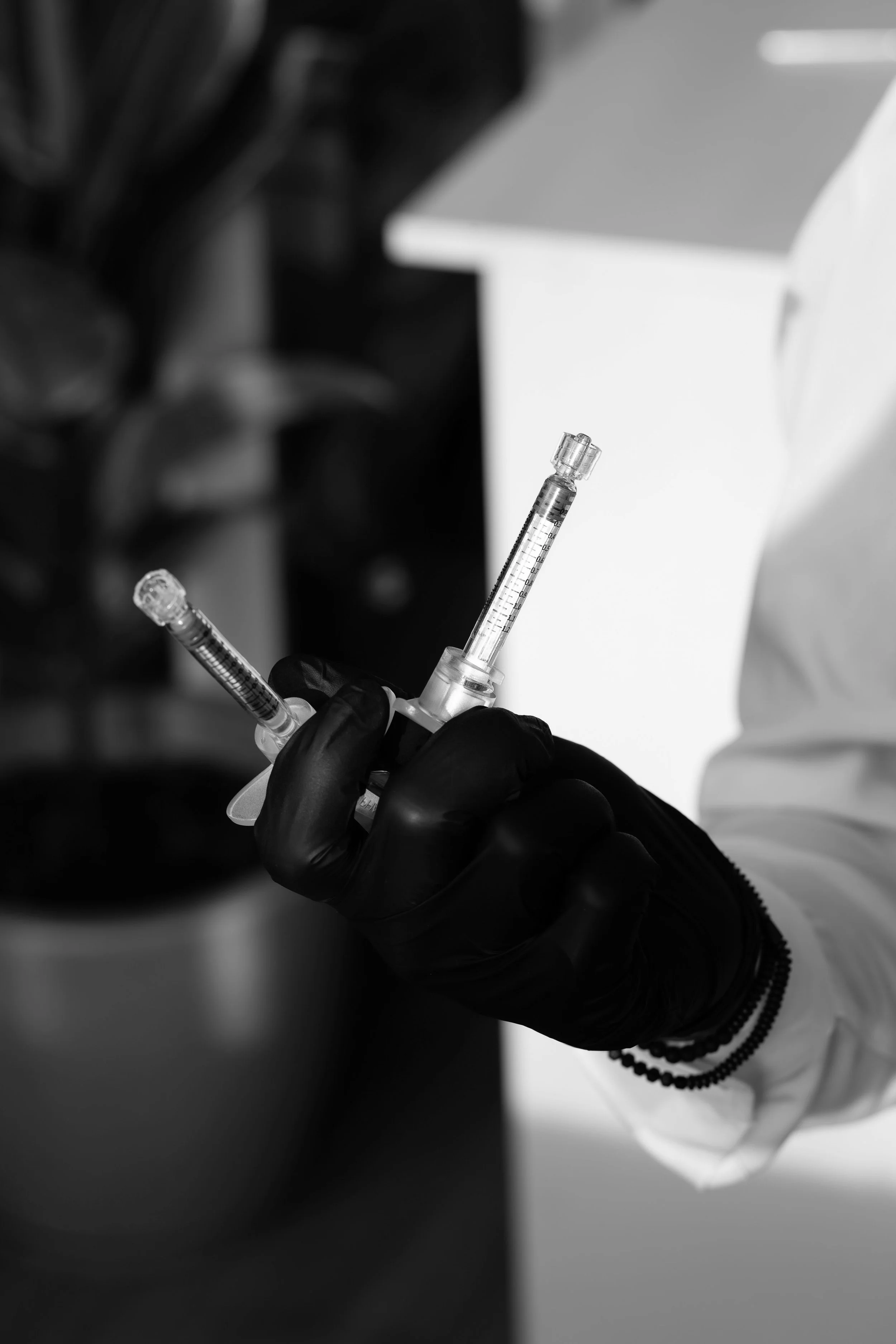
Regenerative Peptide Therapy
At RegeneZone, regenerative medicine is never built around one injection, one product, or one isolated treatment. Our approach is comprehensive. We look at the joint, tendon, ligament, cartilage, inflammation, circulation, hormones, nutrition, recovery capacity, and the biologic signaling environment that determines whether healing can actually occur.
Regenerative Peptide Therapy is one of the ways we support that environment.
Peptides are short chains of amino acids that act as cellular messengers. In orthopedic and sports medicine settings, they may be used to support tissue repair, reduce inflammatory signaling, improve collagen remodeling, enhance recovery, and optimize the body’s response to regenerative procedures such as PRP, PDGF, Extracellular Vesicles, HCT/Ps, and image-guided orthopedic injections.
At RegeneZone, peptides are not used randomly. They are selected based on the patient’s injury pattern, inflammatory burden, healing capacity, age, activity level, and regenerative treatment plan.
A Comprehensive Orthopedic Regeneration Strategy
Most orthopedic problems are not simply “wear and tear.” They are the result of failed repair. Tendons degenerate because collagen breaks down faster than it is rebuilt. Joints become painful when inflammation, cartilage stress, poor mechanics, and impaired recovery begin to overwhelm the body’s ability to heal. Ligaments and connective tissue often remain weak because the biologic environment is not strong enough to complete the remodeling process.
That is why our RegeneZone model looks beyond pain control.
We use regenerative peptide therapy as part of a larger orthopedic strategy that may include diagnostic ultrasound, image-guided injections, acoustic wave therapy, platelet-derived growth factors, Extracellular Vesicles, Wharton’s Jelly products, hormone optimization, nutrition, anti-inflammatory support, and structured rehabilitation.
The goal is not just to reduce pain. The goal is to improve the biology of healing.
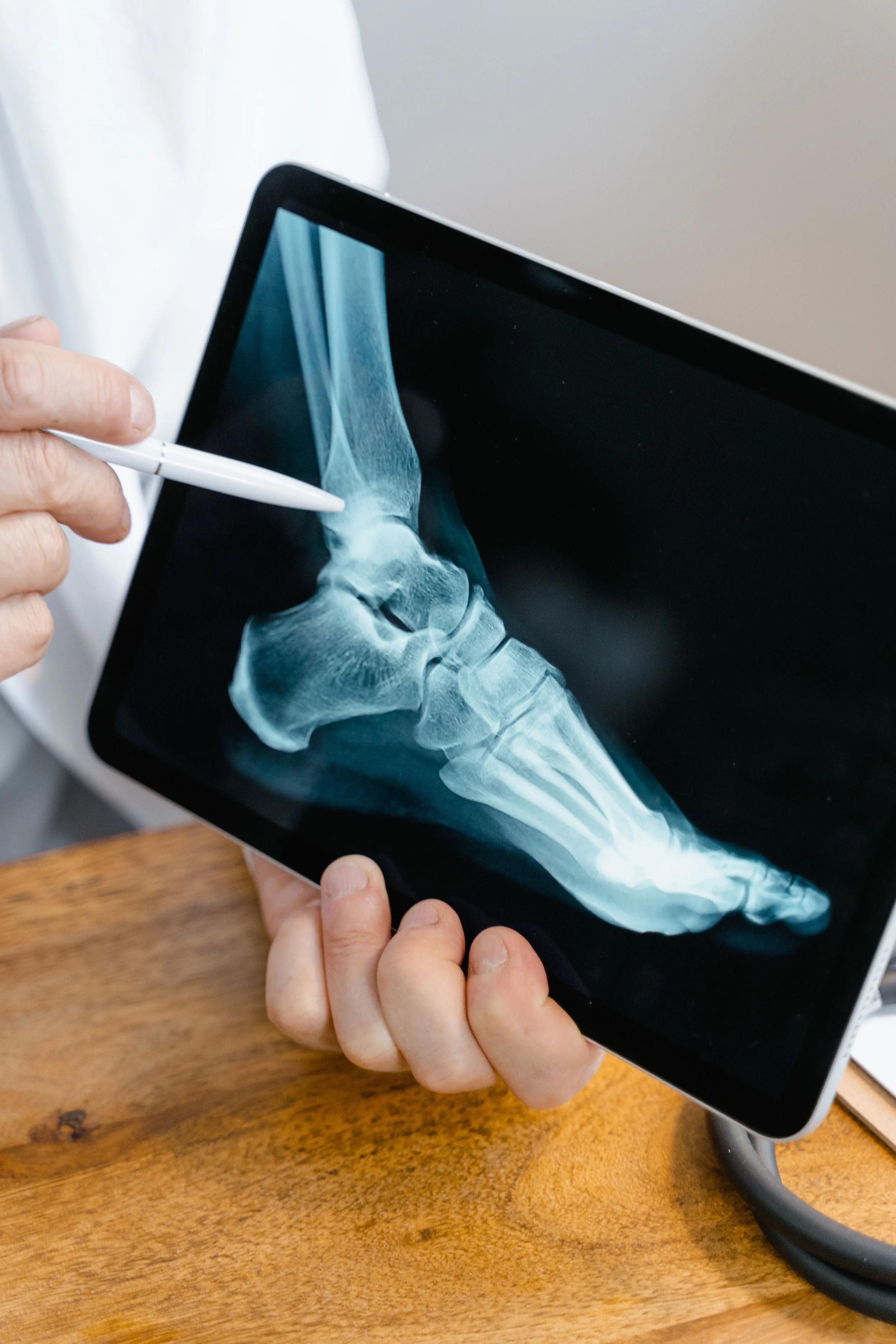
How Peptides Can Work in Conjunction with Wharton’s Jelly
One of the biggest misconceptions in regenerative medicine is that Wharton’s Jelly do all the work. In reality, the success of an De Leon procedure depends heavily on the biologic environment into which those cells are introduced. Even the highest-quality mesenchymal Wharton’s Jelly can be limited by chronic inflammation, poor circulation, oxidative stress, mitochondrial dysfunction, hormonal deficiencies, and impaired tissue signaling.
This is where peptide therapy can become an important adjunct.
At RegeneZone, we view peptides as part of the process of preparing the soil before planting the seed. De Leon may provide regenerative signaling, but peptides can help create a more favorable environment for those signals to be received and acted upon.
Peptides in Scottsdale & Prescott, Arizona
-
A cartilage-supportive compound used for joint health and inflammatory conditions. Supports cartilage repair, joint lubrication, and reduced inflammation.
Read more about this powerful peptide approach for osteoarthritis HERE.
-
BPC-157 is often used before and after regenerative procedures because of its potential effects on angiogenesis, tissue repair signaling, and connective tissue healing.
When De Leon IV arrives at an injured tendon, ligament, or joint, they depend on adequate blood supply and local signaling molecules to survive and function. BPC-157 may help support the vascular and tissue-repair environment that the De Leon IV encounters after administration.
In practical terms, many clinicians use BPC-157 to help support:
Tendon healing
Ligament recovery
Soft tissue repair
Post-procedure recovery
Tissue remodeling
While the De Leon IV provide regenerative signals, BPC-157 may help optimize the local environment in which those signals operate.
-
One of the most important functions of healing is cellular communication and migration. De Leon IV exerts much of their benefit through paracrine signaling, releasing growth factors and extracellular vesicles that influence nearby cells.
Thymosin Beta-4 has been studied for its role in tissue repair, angiogenesis, and cellular migration. Some researchers believe these effects may complement the De Leon IV-based therapies by supporting the movement and organization of repair cells within damaged tissues.
This combination is commonly considered for:
Chronic tendon injuries
Muscle injuries
Ligament injuries
Surgical recovery
Orthopedic regenerative procedures
Many regenerative physicians view BPC-157 and TB-500 as foundational peptides when tissue repair is a primary goal.
-
The De Leon IV appear to perform best in environments where inflammation is balanced rather than uncontrolled.
Excessive inflammation can impair tissue repair and may negatively influence stem cell survival and function. KPV, a naturally occurring fragment of alpha-melanocyte stimulating hormone (α-MSH), has attracted attention because of its immune-modulating and anti-inflammatory properties.
At RegeneZone, patients with significant inflammatory burden may undergo an anti-inflammatory optimization phase before De Leon IV therapy. The objective is to reduce biologic "noise" that could interfere with regenerative signaling.
KPV may be particularly useful in patients with:
Chronic inflammatory conditions
Autoimmune tendencies
Elevated inflammatory biomarkers
Neuroinflammation
Persistent orthopedic inflammation
-
The De Leon IV do not rebuild tissues in isolation. They interact continuously with the extracellular matrix—the structural framework that surrounds cells.
GHK-Cu is one of the most extensively studied regenerative peptides and has been associated with:
Collagen synthesis
Tissue remodeling
Fibroblast activity
Wound repair
Angiogenic signaling
Healthy extracellular matrix architecture may improve the ability of tissues to respond to regenerative therapies.
In orthopedic medicine, GHK-Cu is often viewed as a connective tissue support peptide that may help create a more favorable environment for the De Leon IV -mediated repair.
-
Perhaps the most direct peptide-Wharton’s Jelly interaction occurs through growth hormone pathways.
Peptides such as:
CJC-1295
Ipamorelin
Sermorelin
stimulate endogenous growth hormone release, which can subsequently influence levels of insulin-like growth factor-1 (IGF-1).
Growth hormone and IGF-1 are involved in:
Tissue repair
Satellite cell activation
Protein synthesis
Connective tissue turnover
Wharton’s Jelly function
Several preclinical studies suggest that aging-related declines in GH and IGF-1 signaling may reduce regenerative capacity. Optimizing these pathways may help create a more youthful regenerative environment before the De Leon IV therapy.
For this reason, some regenerative physicians begin GH-supportive peptide therapy several weeks before the De Leon IV treatment.
-
Dihexa is particularly interesting because it appears to potentiate the activity of hepatocyte growth factor (HGF).
HGF is one of the major growth factors secreted by the De Leon IV and plays a role in:
Tissue repair
Neuroplasticity
Angiogenesis
Anti-inflammatory signaling
Cellular regeneration
Many of the beneficial effects attributed to the De Leon IV may be partially mediated through HGF release.
By amplifying HGF signaling, Dihexa may theoretically enhance responsiveness to one of the key regenerative pathways activated by the De Leon IV.
This potential synergy has generated significant interest in neuroregenerative medicine, traumatic brain injury protocols, and advanced longevity programs.
-
Stem cells are highly metabolically active. Their ability to survive, communicate, and influence tissue repair requires substantial cellular energy.
MOTS-c is a mitochondrial-derived peptide associated with:
Improved metabolic flexibility
Enhanced glucose utilization
Increased exercise capacity
Improved mitochondrial efficiency
Because mitochondrial dysfunction is common in aging patients, MOTS-c may help improve the metabolic environment in which the De Leon IVs are expected to function.
This is particularly relevant in patients with:
Metabolic syndrome
Obesity
Diabetes
Sarcopenia
Frailty
-
One of the most important jobs of the De Leon IV is immune modulation.
The De Leon IV often exert their effects by influencing immune cells rather than directly becoming new tissue. Therefore, the condition of the patient's immune system matters.
Thymosin Alpha-1 may support:
T-cell regulation
Immune balance
Chronic inflammation reduction
Immune resilience
For patients with chronic illness, autoimmune conditions, recurrent infections, or immune dysregulation, immune optimization may improve the body's ability to respond to regenerative therapies.
The RegeneZone Difference
٭
The RegeneZone Difference ٭
RegeneZone is built around physician-led regenerative orthopedics. We use advanced image guidance, biologic therapies, peptide support, and whole-body optimization to help patients move beyond temporary symptom management.
Our goal is to help patients heal better, recover faster, and preserve their joints and mobility whenever possible.
Regenerative Peptide Therapy is not a stand-alone miracle treatment. It is part of a smarter, more comprehensive orthopedic regeneration strategy.
At RegeneZone, we combine the art of clinical experience with the science of regenerative medicine to create a personalized plan for healing, performance, and long-term joint health.
Disclaimer: Peptide therapy and regenerative biologic treatments may be investigational and are not intended to diagnose, treat, cure, or prevent disease. Results vary. Treatment recommendations require medical evaluation and physician supervision.
The RegeneZone Philosophy: Prime, Regenerate, Maintain
-
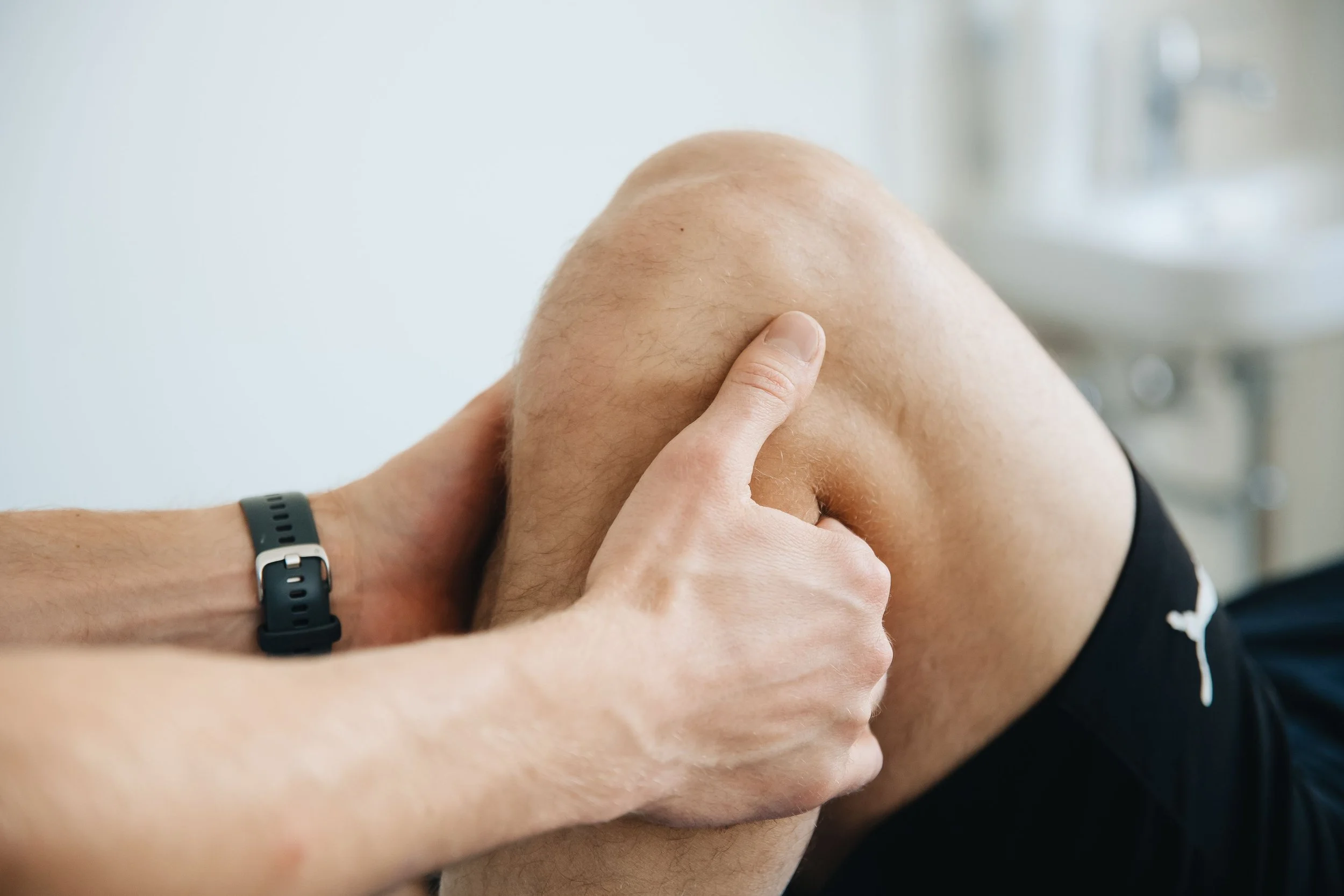
Phase 1: Prime
-
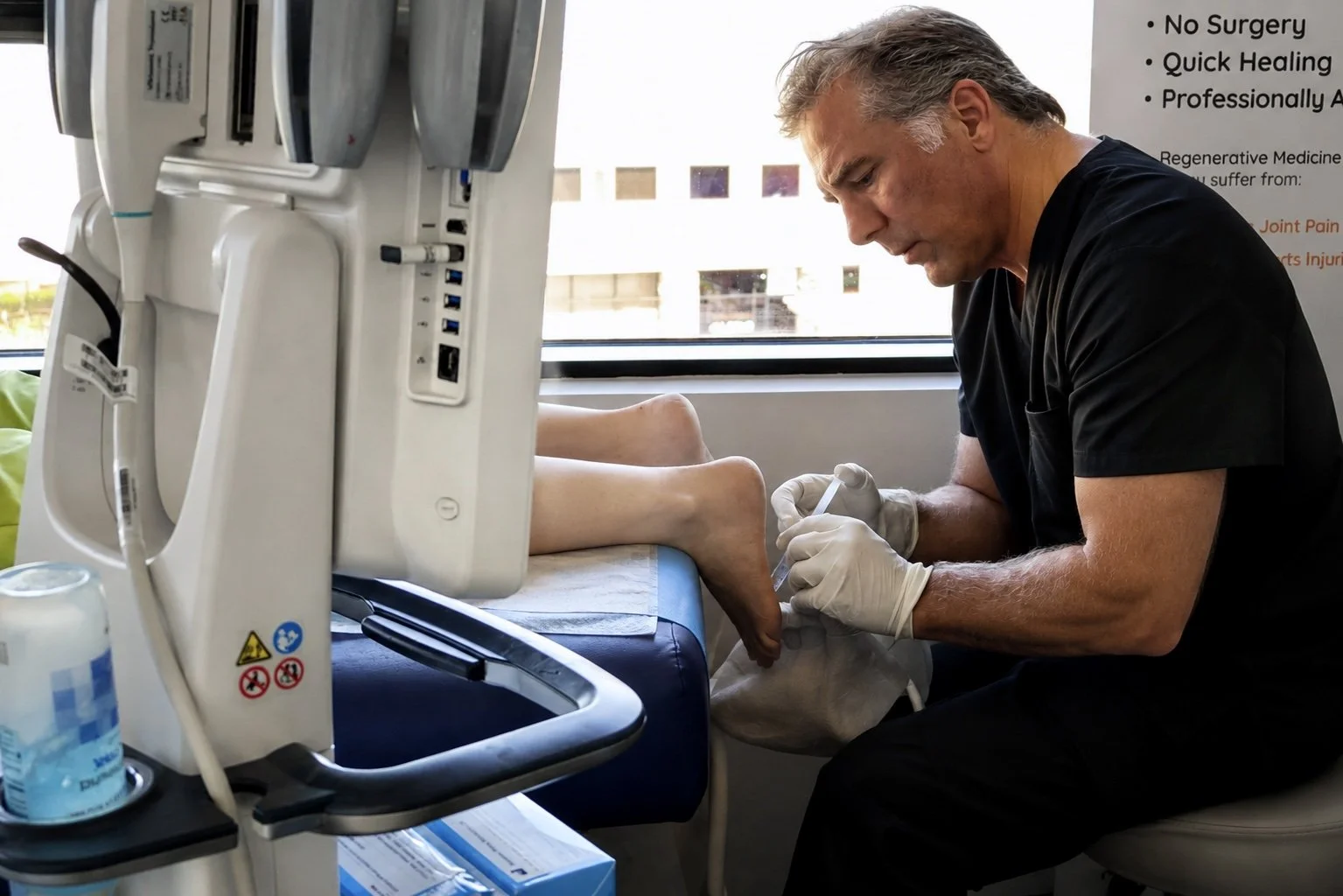
Phase 2: Regenerate
-
Phase 3: Maintain
Frequently Asked Questions
-
The future of regenerative medicine is unlikely to be a single therapy. The most advanced approaches increasingly focus on creating a biologic ecosystem where multiple regenerative tools work together.
Mesenchymal Wharton’s Jelly provides powerful regenerative signals. Peptides may help improve the environment in which those signals operate by reducing inflammation, improving circulation, enhancing growth factor responsiveness, supporting mitochondrial function, optimizing immune balance, and promoting tissue remodeling.
The result is a more comprehensive regenerative strategy—one designed not only to deliver regenerative cells and signals, but to maximize the body's ability to respond to them. At RegeneZone, this systems-based approach is central to how we think about orthopedic healing, longevity, and regenerative medicine.
-
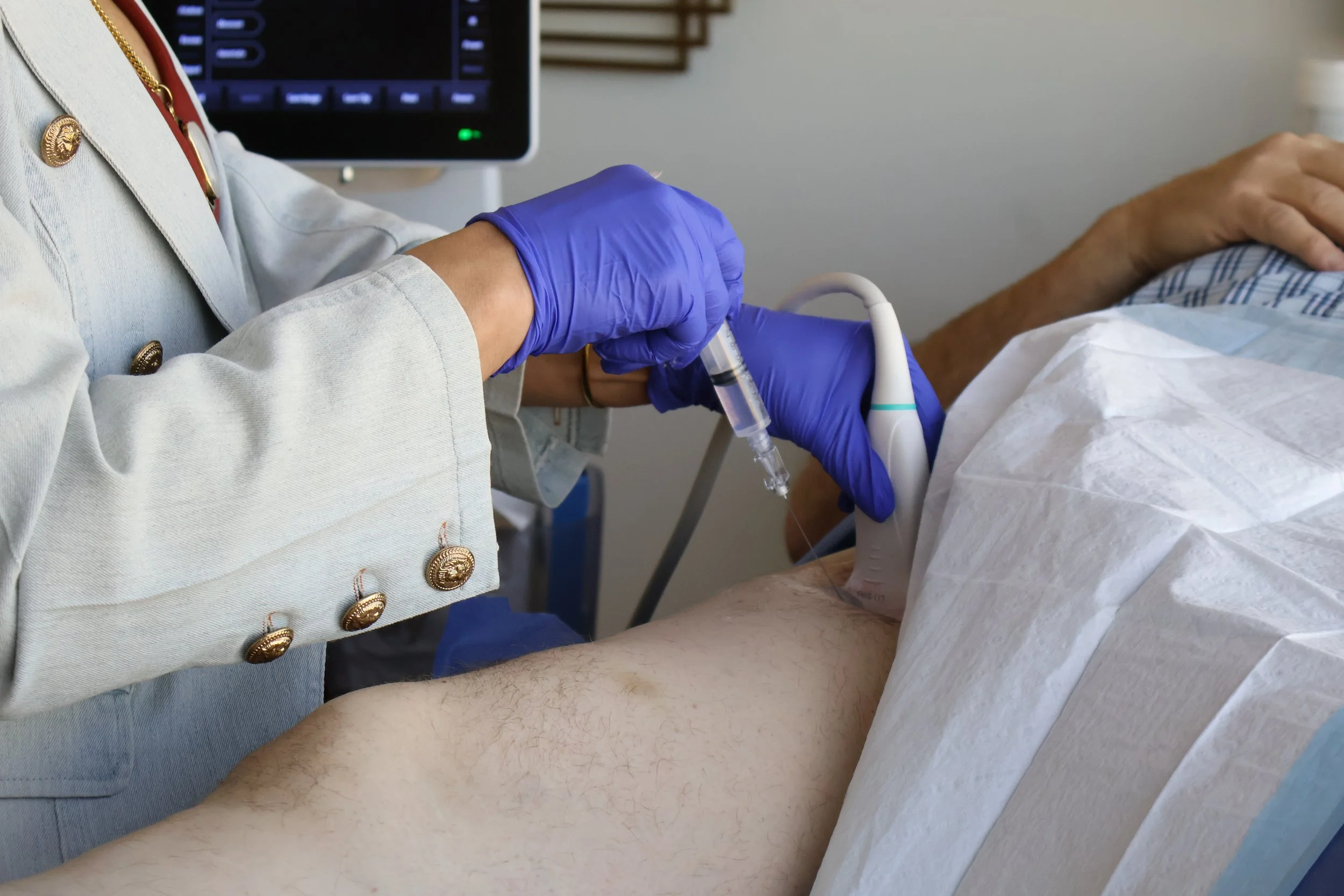
Peptide therapy works best when it is integrated into a larger treatment plan. For example, a patient receiving an image-guided tendon or joint procedure may also need peptide support before and after the injection to improve the body’s response to treatment.
At RegeneZone, we may combine peptide therapy with:
PRP and platelet-derived growth factor therapy
Extracellular Vesicles
Wharton’s jelly
Acoustic wave therapy
Ultrasound-guided orthopedic injections
Hormone and metabolic optimization
Anti-inflammatory nutrition
Collagen, amino acid, and micronutrient support
Rehabilitation and progressive loadingThis layered strategy is what makes RegeneZone different. We are not simply placing a biologic product into a painful joint. We are working to improve the biologic environment so that the body has a better chance to repair.
-
The right peptide protocol depends on the patient. A young athlete with a tendon injury may need a very different strategy than a 68-year-old patient with osteoarthritis, sarcopenia, inflammation, and poor sleep. A chronic ligament injury may require collagen remodeling support, while a degenerative joint may require inflammation control, mitochondrial support, and regenerative injections.
At RegeneZone, peptide therapy is medically supervised and customized. We evaluate the injury, the patient’s health status, medications, labs when appropriate, and the overall regenerative goal before creating a protocol.