

A Revolution in Wellness: Advancements in Regenerative Medicine *Educational Purposes Only*
Over the last decade, the acceptance and implementation of regenerative medicine have evolved significantly, driven by advancements in research, technology, and clinical applications. In the past, regenerative medicine has too often been considered a “last resort” for people, but as more patients pursue more conservative methods before medications or surgery, they are experiencing first-hand the amazing results that can happen when the body is allowed to heal and regenerate damaged tissue on its own.

The Safety and Effectiveness of Regenerative Medicine Therapy *Educational Purposes Only*
Regenerative injection therapy (RIT) is a medical treatment approach that focuses on harnessing the body’s natural healing abilities to promote tissue regeneration and repair. This therapy has gained significant attention in recent years due to its potential for treating various musculoskeletal conditions, such as tendonitis, ligament injuries, and osteoarthritis.

7 Reasons Why Regenerative Medicine is Better for Chronic Pain *Educational Purposes Only*
Regenerative medicine has emerged as a promising solution for individuals suffering from chronic pain. Chronic pain, which is often caused by conditions such as arthritis, fibromyalgia, or nerve damage, can significantly impact a person’s quality of life. Traditional treatments for chronic pain, such as medication or surgery, may provide temporary relief but often fail to address the underlying cause of the pain.

The Benefits of Regenerative Medicine in Helping Common Golf Injuries *Educational Purposes Only*
Regenerative medicine has emerged as a groundbreaking field that offers promising solutions for helping various injuries and conditions. In the realm of sports, where injuries are common, regenerative medicine has shown particular potential in the care of golf-related injuries. Golfers often suffer from repetitive stress injuries, tendonitis, ligament strains, and joint damage, among other conditions, all of which can benefit tremendously from regenerative medicine.
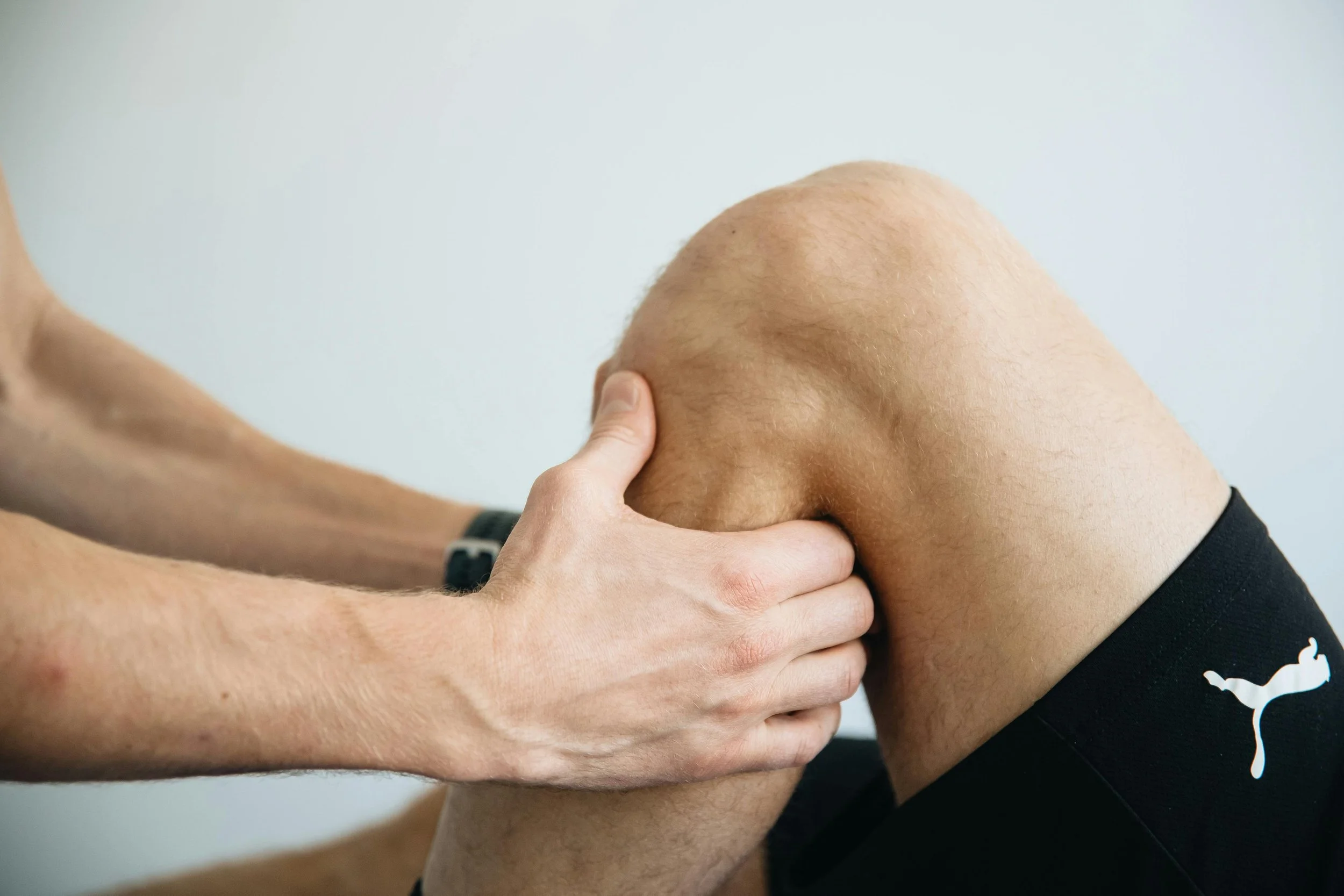
The Impact of Wharton’s Jelly on Knee Pain *Educational Purposes Only*
Knee pain, a common ailment, can stem from a variety of factors such as age-related wear and tear, sports injuries, work-related injuries, or common medical conditions like arthritis. Recently, Wharton’s jelly injections have emerged as a promising option. This innovative therapy involves injecting Wharton’s jelly, a substance derived from the umbilical cord, into the knee joint and supporting tendons and ligaments.