

How Stem Cell Therapy Can Help Heal Pickleball Injuries
Pickleball is a fast-growing paddle sport that combines elements of tennis, badminton, and table tennis. While it has gained immense popularity across various age groups, like any physical activity, it is not without its risks. Common injuries associated with pickleball often arise from the quick movements, sudden stops, and repetitive motions involved in the game. Understanding these injuries is essential for players to take preventive measures and seek appropriate treatment–such as stem cell therapy–when necessary.

Golf Injuries and Stem Cell Therapy
Golf is a popular sport enjoyed by millions of people around the world, but it can also lead to a variety of injuries. Some of the most common golf injuries include back pain, golfer’s elbow, tennis elbow, shoulder injuries, wrist injuries, knee injuries, and ankle injuries. These injuries can be caused by poor swing mechanics, overuse of certain muscles, or simply the repetitive nature of the sport.

Reducing Arthritis Pain With Stem Cells
Stem cell therapy has emerged as a promising treatment option for individuals suffering from arthritis pain. Arthritis is a common condition that affects millions of people worldwide, causing debilitating pain and stiffness in the joints. Traditional treatments for arthritis, such as medication and physical therapy, often provide only temporary relief and may not address the underlying cause of the pain. Stem cell therapy, on the other hand, offers a new approach to treating arthritis by harnessing the regenerative power of stem cells to repair damaged tissue and reduce inflammation in the joints.

The Safety and Effectiveness of Regenerative Medicine Therapy
Regenerative injection therapy (RIT) is a medical treatment approach that focuses on harnessing the body’s natural healing abilities to promote tissue regeneration and repair. This therapy has gained significant attention in recent years due to its potential for treating various musculoskeletal conditions, such as tendonitis, ligament injuries, and osteoarthritis.

7 Reasons Why Regenerative Medicine is Better for Chronic Pain
Regenerative medicine has emerged as a promising solution for individuals suffering from chronic pain. Chronic pain, which is often caused by conditions such as arthritis, fibromyalgia, or nerve damage, can significantly impact a person’s quality of life. Traditional treatments for chronic pain, such as medication or surgery, may provide temporary relief but often fail to address the underlying cause of the pain.
The Revolutionary Role of Stem Cells in Pain Management
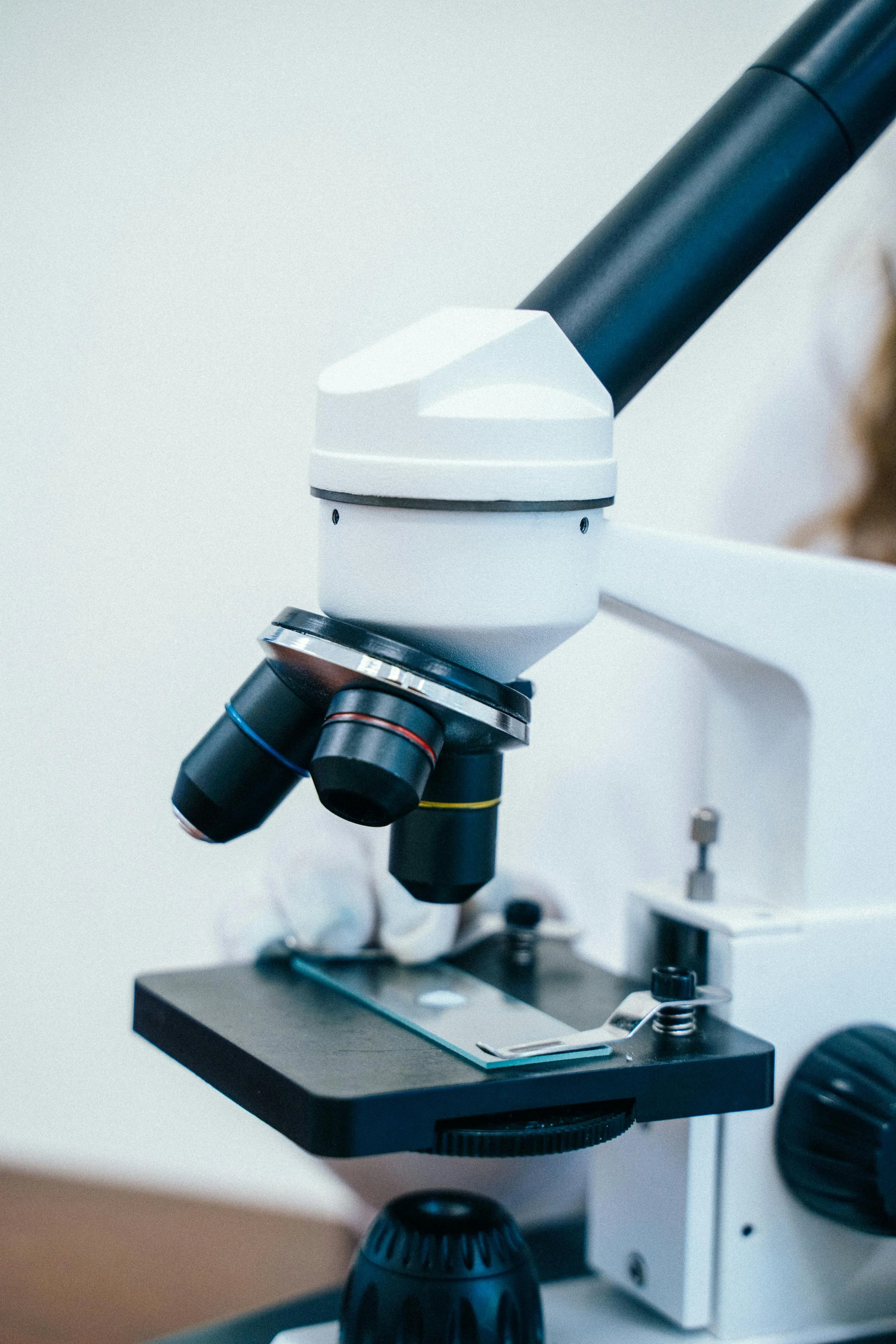
Pain management is a critical aspect of healthcare, aiming to alleviate suffering and improve patients’ quality of life. In recent years, stem cell therapy has emerged as a groundbreaking approach in pain management. Stem cells possess unique regenerative properties that enable them to repair damaged tissues and modulate the body’s inflammatory response. Let’s take a look at how stem cells are revolutionizing pain management by providing effective and long-lasting relief for various chronic pain conditions.

The Benefits of Regenerative Medicine in Helping Common Golf Injuries
Regenerative medicine has emerged as a groundbreaking field that offers promising solutions for helping various injuries and conditions. In the realm of sports, where injuries are common, regenerative medicine has shown particular potential in the care of golf-related injuries. Golfers often suffer from repetitive stress injuries, tendonitis, ligament strains, and joint damage, among other conditions, all of which can benefit tremendously from regenerative medicine.
The Impact of Wharton’s Jelly on Knee Pain
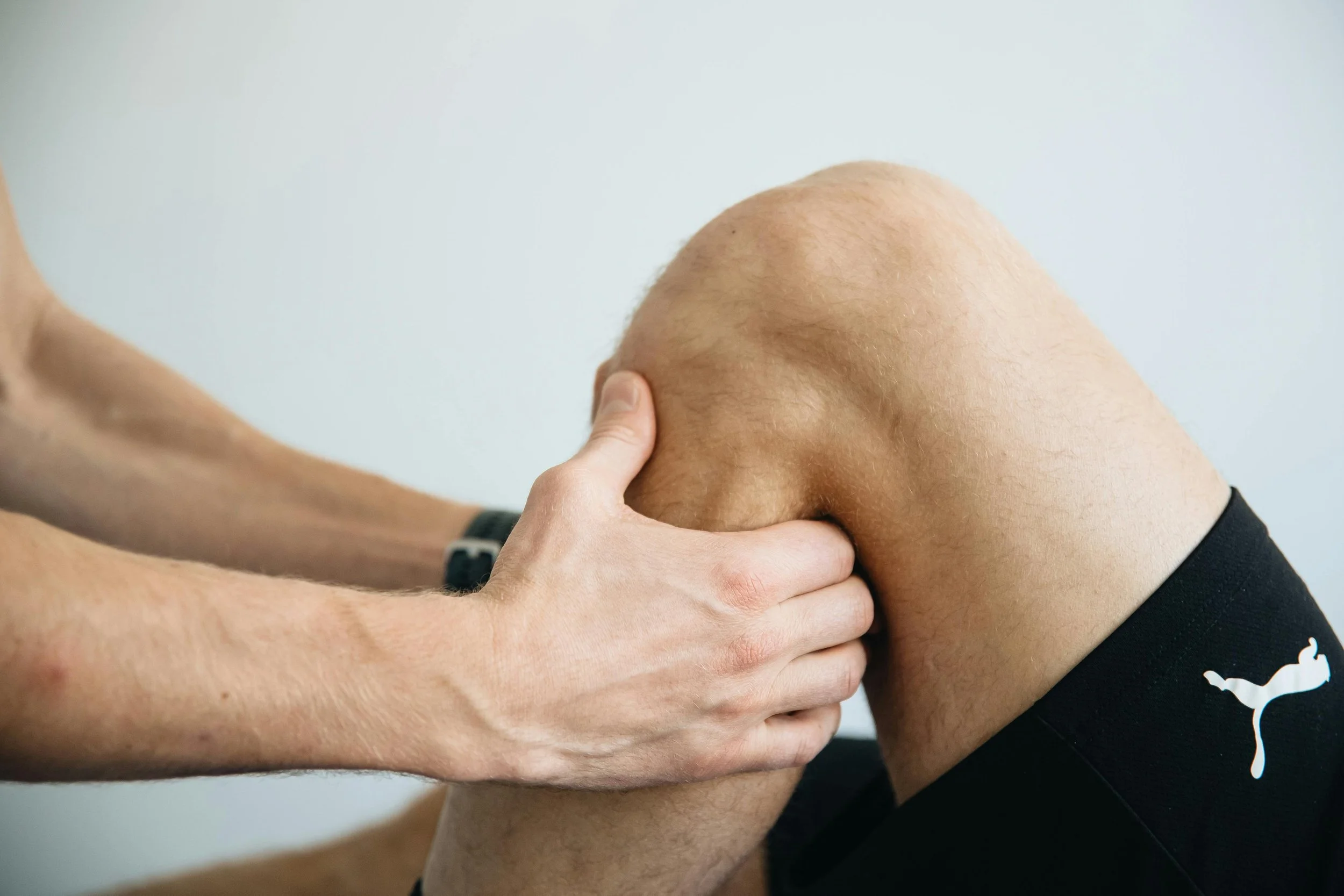
Knee pain, a common ailment, can stem from a variety of factors such as age-related wear and tear, sports injuries, work-related injuries, or common medical conditions like arthritis. Recently, Wharton’s jelly injections have emerged as a promising option. This innovative therapy involves injecting Wharton’s jelly, a substance derived from the umbilical cord, into the knee joint and supporting tendons and ligaments.